What is Individual Income Tax?
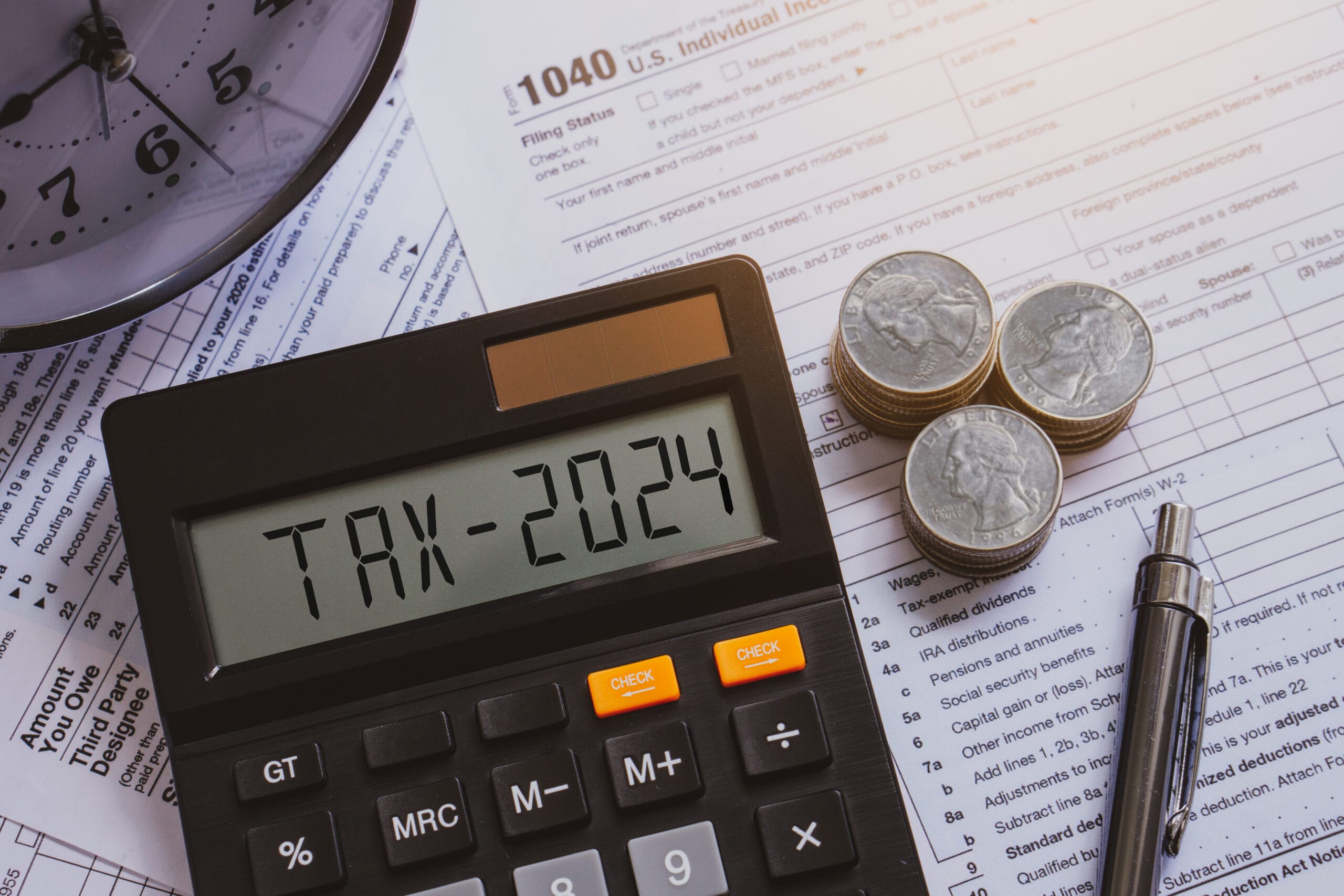
Individual income tax is levied on the income earned by individuals, including salaries, wages, business income, rental income, investment returns, and other sources. In South Africa, the South African Revenue Service (SARS) is responsible for the administration and collection of these taxes. The tax year runs from March 1st to the end of February of the following year.
Tax Rates and Thresholds
South Africa employs a progressive income tax system, meaning that the rate of taxation increases as income increases. The tax rates are structured into brackets, with each bracket corresponding to a range of income and its associated tax rate. For example, lower-income earners are taxed at a lower rate, while higher-income earners are taxed at higher rates.
Benefits of Submitting an Income Tax Return
Compliance and Legal Obligations
Submitting an income tax return ensures compliance with South African tax laws, avoiding legal penalties and fines. Failure to submit can result in hefty penalties and interest charges.
Refund Opportunities
Taxpayers may be entitled to refunds if they have overpaid taxes through PAYE (Pay As You Earn) or provisional tax payments. By submitting a return, individuals can claim back excess taxes paid.
Claiming Deductions and Credits
Filing a return allows taxpayers to claim various deductions and credits, such as medical expenses, retirement annuity contributions, and donations to approved organizations, reducing their overall tax liability.
Proof of Income
An income tax return serves as an official record of income and taxes paid. This documentation is often required for loan applications, mortgage approvals, and other financial transactions.
Financial Planning
Regularly filing tax returns helps individuals maintain accurate financial records, aiding in effective financial planning and management.
Access to Government Benefits
Complying with tax obligations can make individuals eligible for certain government benefits and social grants, which often require proof of tax compliance.
Conclusion
Submitting an individual income tax return in South Africa is not only a legal obligation but also provides numerous benefits, including potential refunds, financial planning, and access to government benefits. By understanding the process and ensuring compliance, taxpayers can effectively manage their financial responsibilities and contribute to the nation’s economic well-being.